
February 14, 2026
Are You Ready? Communicating in a Disaster
Join us on the first Thursday of every month for the Are You Ready? Workshop Series at Blakely Hall. Each…
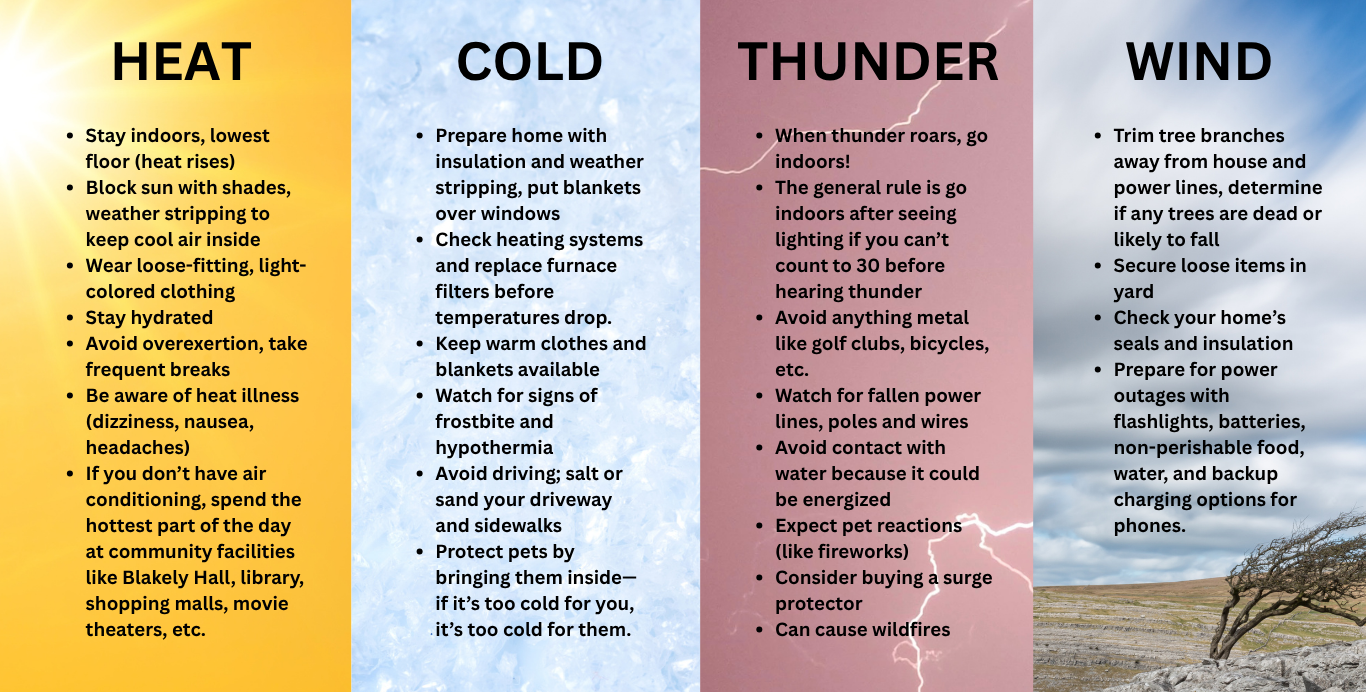
Our region faces a wide range of potential emergencies, from everyday disruptions to large-scale disasters. While some events may only last a few hours, others can have longer-lasting impacts on our homes, health and daily routines.
Some emergencies are seasonal and familiar, such as summer heat waves, winter freezes, smoky skies and power outages. These situations can disrupt daily life and, if prolonged, pose real health and safety risks. Knowing what to expect and how to respond can make all the difference in staying comfortable and safe during these events.
Beyond these short-term challenges, our community also faces the possibility of more serious disasters such as earthquakes, wildfires, landslides or potentially acts of violence. While these incidents are less frequent, they have the potential to cause widespread damage and require neighbors to rely on one another.
No matter the emergency, staying prepared is more important than ever. Build your emergency kit, make a plan with your family or roommates, and use the guides below to help you get started.
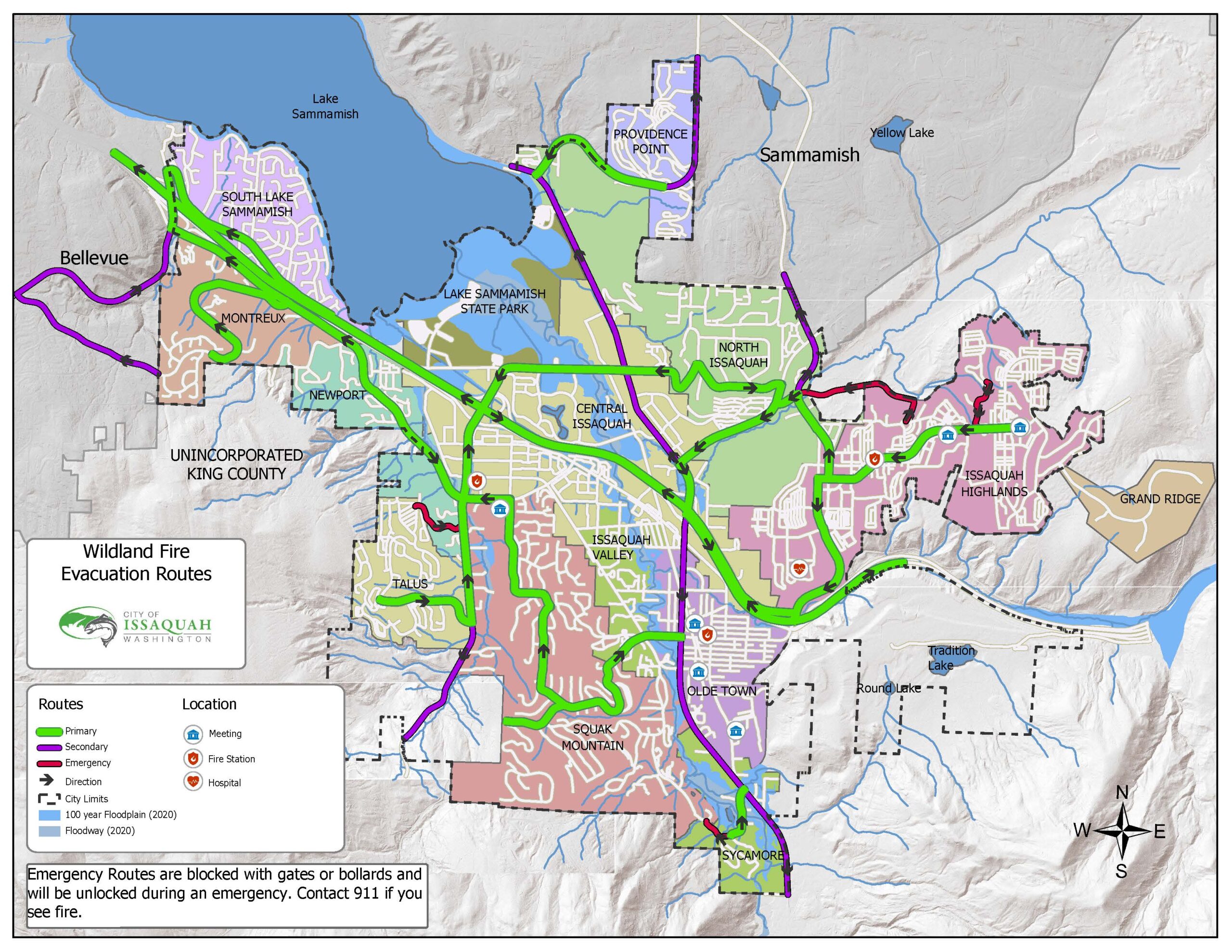
This year, the City of Issaquah completed a wildfire evacuation study estimating how long it would take 90% of residents to evacuate each neighborhood. Issaquah Highlands clocked in with the longest time at 2 hours and 50 minutes. Through surveying the community, we learned that the average resident believes they would need 40 minutes from getting notice to being ready to leave. The more you can have prepared for a potential disaster, the faster you can evacuate.
Review the city’s evacuation study. Find more details about fire preparedness here.
When disasters strike, cell networks and landlines can quickly become overloaded or fail. Having a plan before an emergency will help you reconnect with loved ones faster.
1. Agree on an Out-of-Area Contact
2. Use Text Messaging First
3. Try Email or Messaging Apps Over Wi-Fi
4. Meet at Pre-Planned Locations
5. Keep Backup Communication Tools
6. Practice Your Plan
When the power’s out, your garage door opener won’t work — but you can open it manually if it’s safe. Never force the door or tamper with springs. Call a pro if unsure.
Always run your generator outdoors—never indoors, in garages or enclosed porches. This prevents carbon monoxide poisoning. Plug appliances directly into the generator, not your home’s wiring (unless it’s professionally installed).
ARC Rules: Portable generators for power outages do not require ARC approval. Whole house units must be approved by the ARC prior to installation and have a noise rating below 75 decibels.
Gas leaks can lead to dangerous explosions or carbon monoxide poisoning. If you smell gas (like rotten eggs) or hear a hissing sound near your gas lines, act fast:
Only turn off your gas if you suspect a leak. Never turn it back on yourself. Always wait for a professional to inspect the system and restore service safely.
After a natural disaster, especially flooding or an earthquake, live wires can pose a serious shock or fire hazard.
Tip: Keep a flashlight near your breaker box so you’re not fumbling in the dark.
Burst pipes and leaks can flood your home and rack up thousands in damage. If you’re evacuating due to a freeze, flood or major leak, shut off the water at the source:
Tip: Label your water shut-off valve ahead of time and show other household members how to use it.
During an outage:
After an outage:
Keep water in food-grade containers and store them in a cool, dark place. Replace every six months if not commercially bottled.
Do you have an Emergency How-To question not listed above? Please email us and we will add to the guide.
The Community Emergency Response Team (CERT) program educates community members how to prepare and respond when a major event happens by training people in basic disaster preparedness and response skills to take care of themselves, their family, their neighborhood and the community.
The CERT Basics course is offered for free multiple times each year in Issaquah. Every spring and fall, the class is held at Issaquah Public Works. This January, we’re excited to offer a weekend intensive course at Blakely Hall. Information on all courses is available at issaquahcert.org.
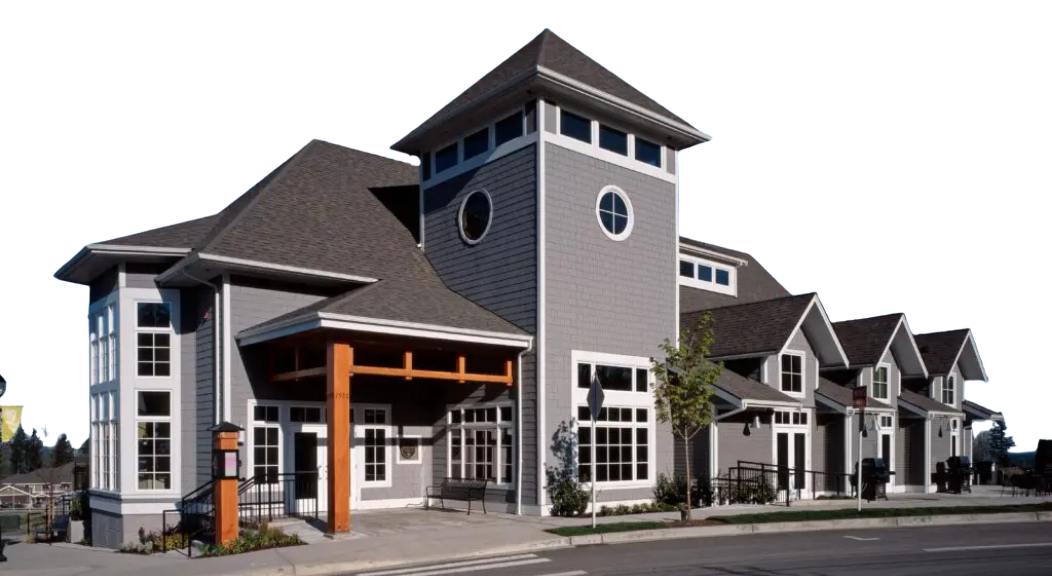
As a resilience hub, Blakely Hall is preparing to support community members before, during and after emergencies. When the resilience hub is activated in an emergency, Blakely Hall will serve as a safe place for residents to get information, limited medical supplies and some basic services. Moving forward, we hope to expand Blakely Hall’s resilience hub features to offer additional services and community support.
While we’re taking steps to use Blakely Hall as a resource for emergencies, Highlands Council is launching a monthly Are You Ready? Workshop Series. The series will cover topics related to household emergency planning, basic disaster medical, emergency kits, fire safety and much more. Join us at Blakely Hall on the first Thursday of every month from 6:30-8 p.m. The following events are free and open to the public.
View the full lineup of emergency preparedness workshops.
October: Basics of Emergency Prep >
November: Resilient Power >
December: Household Emergency Plan >
Join us on the first Thursday of every month for the Are You Ready? Workshop Series at Blakely Hall. Each…

Join us on the first Thursday of every month for the Are You Ready? Workshop Series at Blakely Hall. Each…
Join us on the first Thursday of every month for the Are You Ready? Workshop Series at Blakely Hall. Each…
Contact Lindsey Pinkston, Highlands Council executive director.

© 2026 Issaquah Highlands. All Rights Reserved, Issaquah Highlands Inc.