

Washington winters can feel gloomy. It’s easy to fall into the seasonal slump, but there’s an easy solution to bring a little life and light back into your home— houseplants!
Despite the misconception that houseplants can be too difficult to maintain, I’m here to share five easy-to-grow plants to bring home this winter that will not only thrive indoors but also brighten up any room with fresh, cheerful energy.
I hope this quick guide inspires you to pick your next houseplant this winter! While plants can seem intimidating at first, many are surprisingly low-maintenance and easy to handle. They add instant color, life and a touch of joy to any room. Happy planting!
 PHILODENDRON
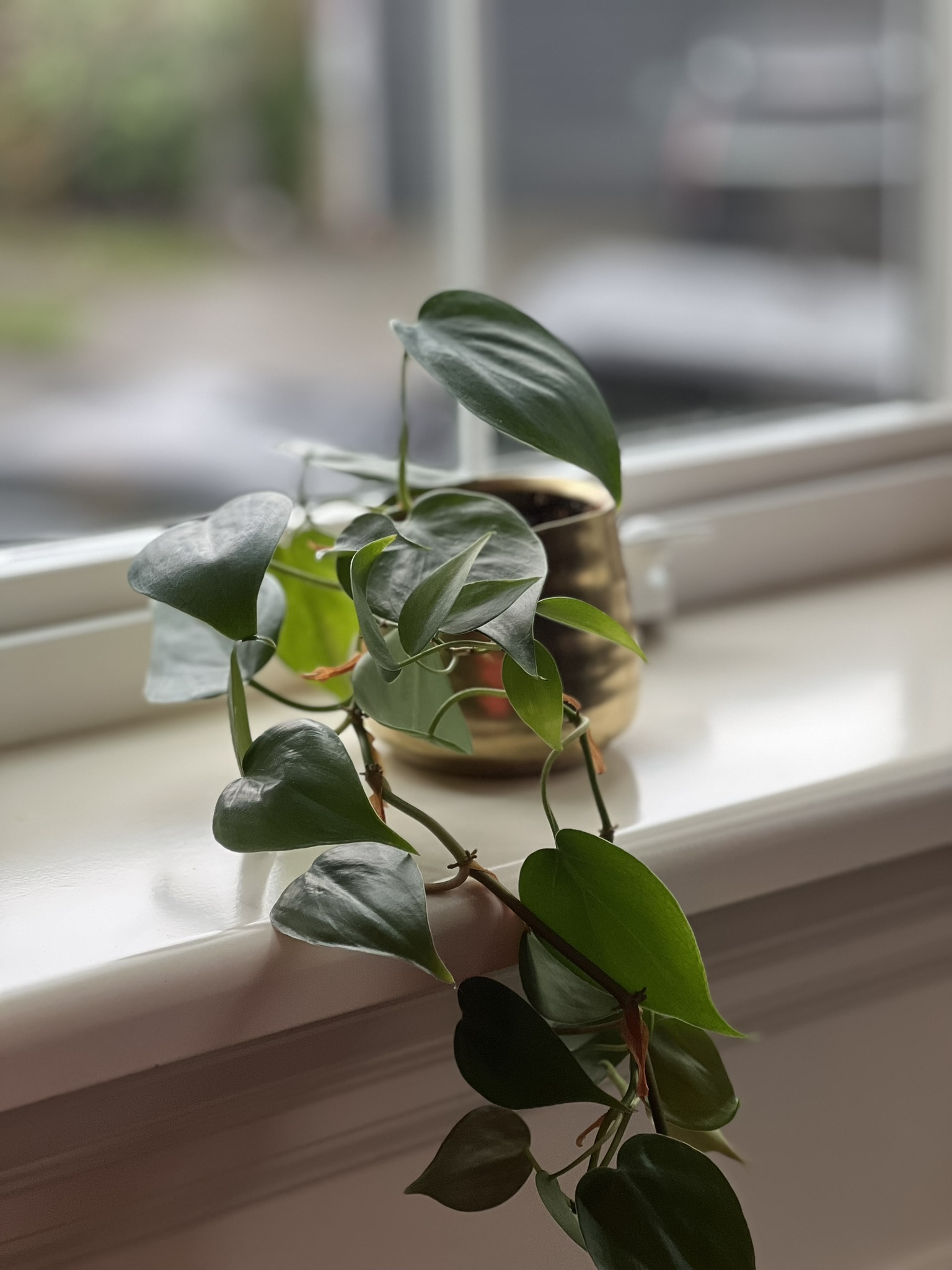
Starting off with one of the most common houseplants, the Philodendron is simple to care for indoors and boasts hundreds of species. Their bright green color easily brightens up every space. Many varieties naturally trail downward, making them perfect for hanging pots or high shelves. Philodendrons are super simple to propagate*. Be sure to fertilize them once every month in the spring and summer.
Sunlight: Philodendrons flourish in bright, indirect light, but they can also adapt to lower-light areas, making them ideal for homes where sunny days are scarce. Avoid direct sunlight.
Water: Water about once a week, allowing the top inch of soil to dry out between waterings. You will know your Philodendron is thirsty when its leaves begin to curl slightly.
Toxicity: These plants contain calcium oxalate crystals, which may cause irritation to humans and pets if ingested.
 DRACAENA TRIFASCIATA
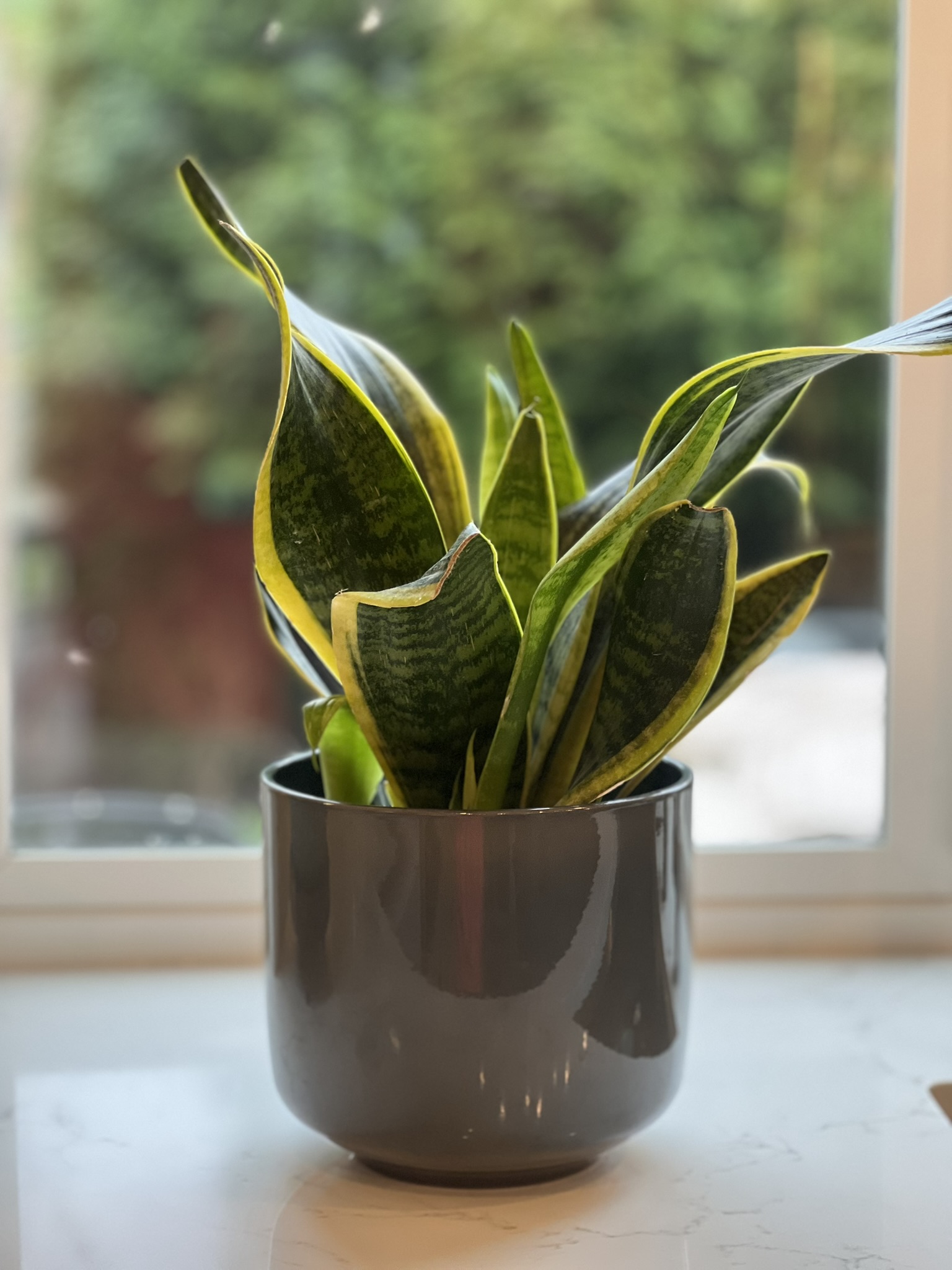
Next up is the Dracaena trifasciata, better known as the snake plant. This hardy houseplant is perfectly suited to Washington’s dim winter days, thriving in low to moderate light and requiring very little care. These plants are also super easy to propagate. Snake plants live long due to their ability to endure tough environmental circumstances.
Sunlight: Snake plants prefer indirect light. They tolerate low-light corners better than most houseplants, making them perfect for spots away from windows or in rooms with filtered light.
Water: These plants can go long stretches without water. Water every 2–4 weeks, allowing the soil to completely dry out between waterings to prevent root rot*.
Toxicity: It contains compounds called saponins that can cause mild irritation if ingested by humans or pets.
 AGLAONEMA
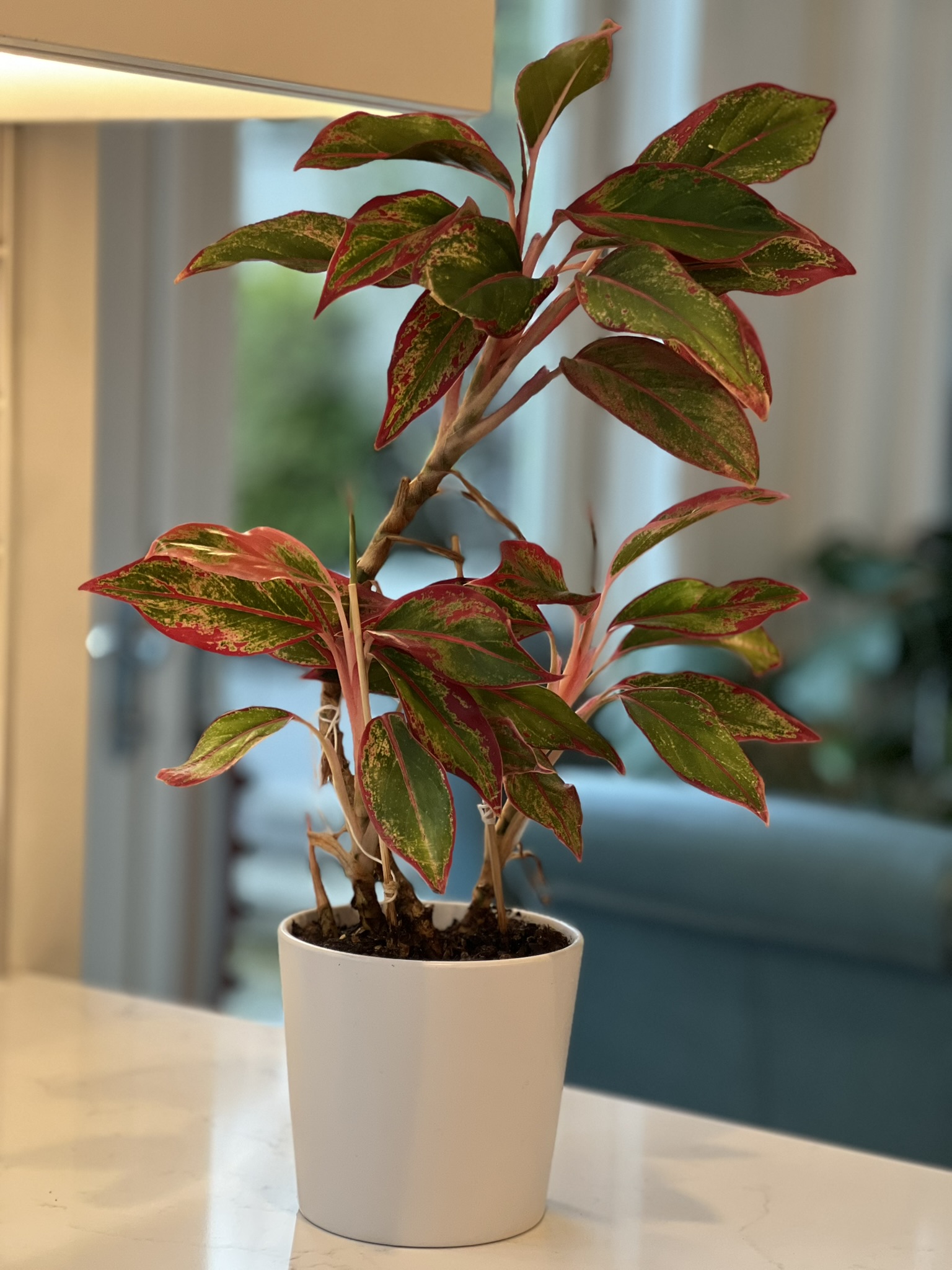
Another easygoing favorite is the Aglaonema, commonly known as the Chinese evergreen. With its striking mix of red, pink and green hues, this plant instantly adds color and warmth to any room. Varieties with darker leaves thrive in lower light, while those with lighter green tones appreciate a bit more brightness. These plants also love humidity, so consider placing yours near a small humidifier or in a bathroom where it can soak up the extra moisture.
Sunlight: The Chinese evergreen enjoys low to bright indirect light. Their flexibility makes them an excellent choice for nearly any room, from softly lit corners to well-lit living spaces. However, avoid placing them in direct sunlight.
Water: Allow the top inch or two of soil to dry out between waterings, typically every 1–2 weeks. During the winter months, you may need to water even less frequently. Always ensure the pot has good drainage to prevent root rot.
Toxicity: This plant contains calcium oxalate crystals, which can cause irritation if ingested by humans or pets.
 CHLOROPHYTUM COMOSUM
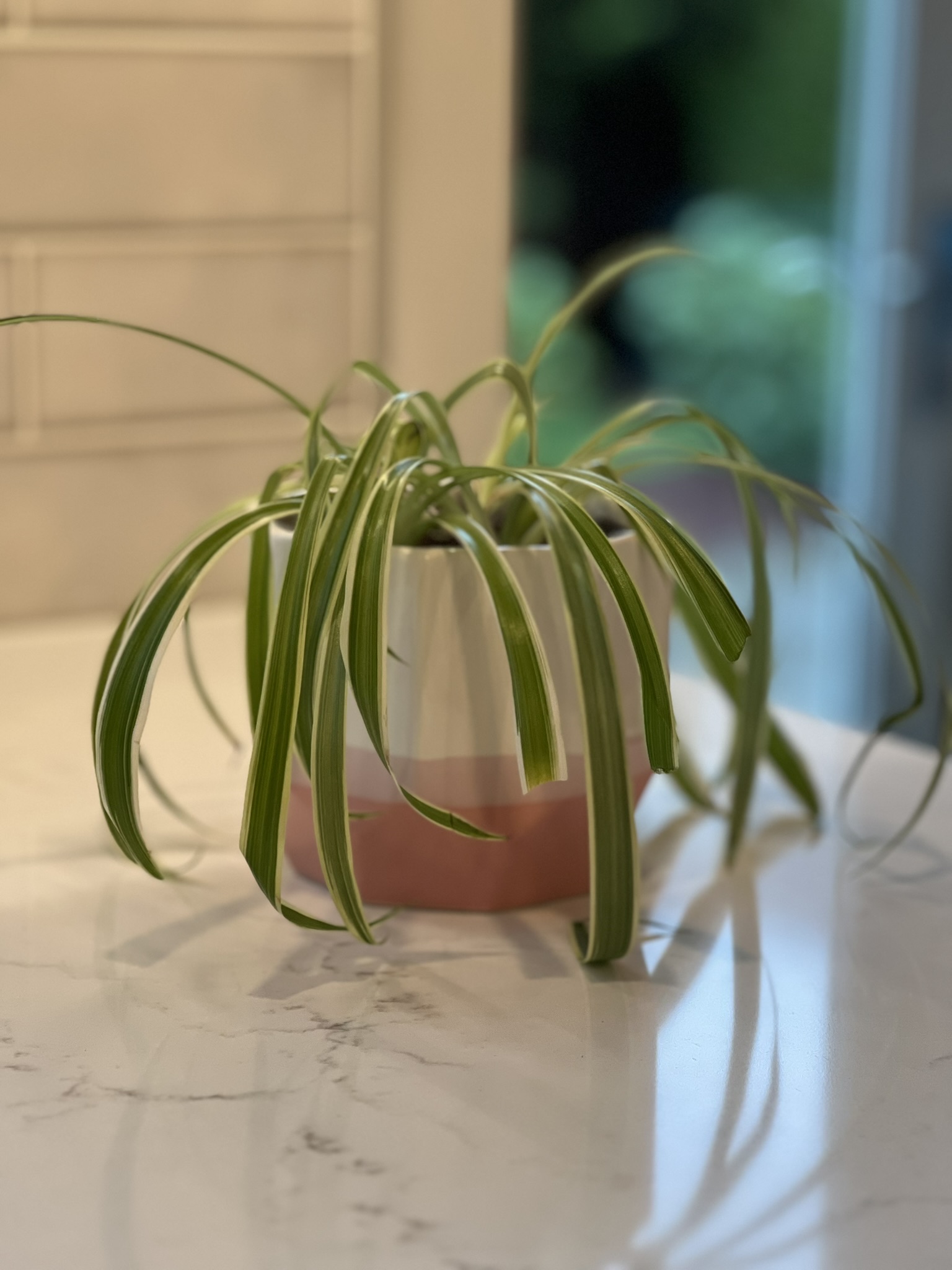
Next is the spider plant—a classic that never goes out of style! Known scientifically as Chlorophytum comosum, this houseplant has thin, ribbon-like leaves with crisp white borders that brighten up any room. They grow quickly and look stunning in hanging baskets. Plus, they constantly sprout new plants, making them perfect for sharing. Spider plants also double as natural air purifiers, keeping your home feeling fresh year-round.
Sunlight: Spider plants prefer light shade or indirect light. Avoid bright, direct light as it can burn the leaves.
Water: A light watering about once a week is typically sufficient, though this may vary depending on indoor conditions. These plants can be sensitive to overwatering. Fluoride and chlorine can also damage their leaves, so distilled water or rainwater (or tap water that has rested out for 24 hours) is gentler on their roots.
Toxicity: This plant is safe for humans and pets.
 ZAMIOCULCAS
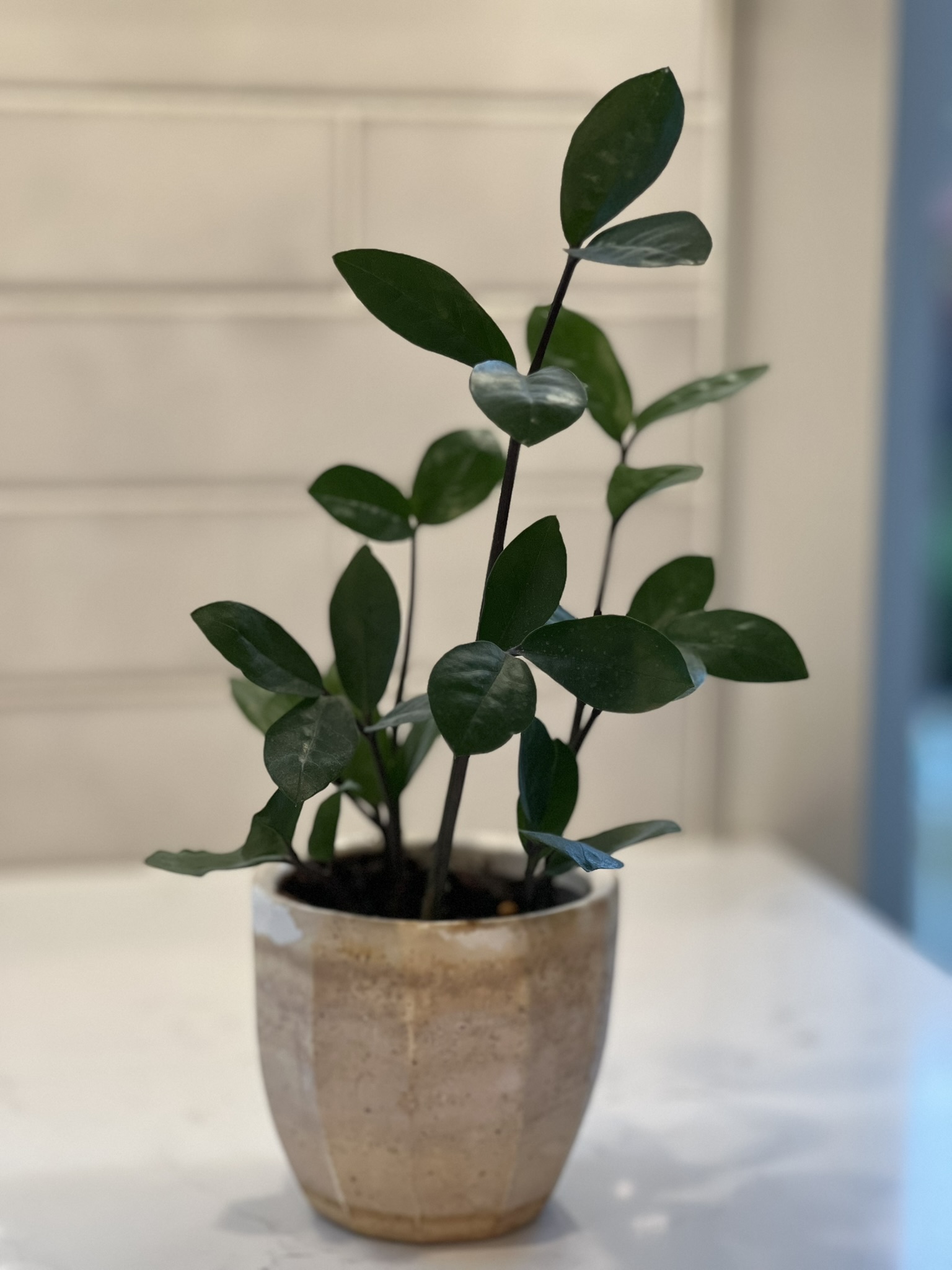
Our final plant is the Zamioculcas, commonly referenced as the ZZ (Zanzibar Gem) plant. This resilient houseplant is famous for being nearly indestructible, making it perfect for anyone looking for a low-maintenance option. Its glossy, dark green leaves add a touch of elegance to any space, and studies show that ZZ plants can help purify indoor air by reducing common pollutants.
Sunlight: ZZ plants can adapt to many different light settings, making them great for Washington weather! They prefer bright, indirect light but are also capable of surviving in very low-light areas. Direct sunlight should be avoided as it can scorch the leaves and cause damage.
Water: Let the soil dry fully between waterings and resist the urge to water too often. A light watering every few weeks is usually all they need.
Toxicity: ZZ plants contain compounds that can be irritating if ingested by humans or pets, potentially causing nausea or discomfort. Keep them out of reach of curious children and animals.
*Key Terms:
- Propagate: This refers to cutting a stem from the original plant in order to grow a new plant of the same species.
- Root rot: This is a condition caused by overwatering, which damages the plant’s roots and can ultimately lead to its death.
GROW WITH US!
Garden patch renewals for the 2026 growing season are underway! Once renewals are complete, we will begin offering patches to those on the waitlist. Interested in a patch this year?
Grace Rich is a member of the Highlands Youth (HY) Advisory Board and a Daphne Park resident.
As published in the winter 2026 issue of Community Connect magazine >>