
If life has been moving so fast you can’t remember the last time you felt calm, this is for you.
It’s easy to forget how hard your body is working to keep you alive and well. Your heart beats without asking. Your lungs draw in oxygen with every breath. Your nervous system scans for danger, constantly adjusting to keep you safe. Even when you’re stressed or exhausted, your body is doing everything it can to protect and sustain you.
And yet, many of us have been conditioned to push harder—to take on more, move faster and ignore the whispers of fatigue or tension. We tell ourselves to just get through the week, the project, the season…until the signals grow too loud to ignore.
Stress Doesn’t Just Live in the Mind
Stress makes itself known in the body: tense muscles, restless nights, unexpected skin changes. You might notice it showing up differently for you, but the signal is often the same—the body asking us to pay attention.
When the brain senses pressure, it releases stress hormones to help us cope. That’s useful in the short term. But when stress doesn’t let up, the body can get stuck in “fight or flight” mode, and over time, this constant state wears down mood, digestion, sleep, immunity and even the skin—our largest organ and messenger of internal balance.
Stress can show up as:
- Trouble falling or staying asleep
- Digestive changes like bloating, fatigue or brain fog
- More frequent colds or slower recovery from illness
- Skin changes like rosacea, rashes, breakouts or dryness that seem to appear out of nowhere
In my treatment room, I meet clients who come in wanting to “fix” a skin concern. As we talk, we often uncover a deeper thread—long-term stress, little time to recharge, and the belief that their needs come last. The skin isn’t the problem; it’s delivering the message.
The good news? Even small, mindful changes can help your body and nervous system reset.
Self-Care Is Personal
Self-care doesn’t have to be elaborate. Some of the most powerful shifts come from the simplest habits:
- Spending time with people who make you feel safe and understood
- Stepping outside and noticing your surroundings
- Beginning or ending your day with one grounding ritual—a stretch, a quiet coffee or three slow belly breaths
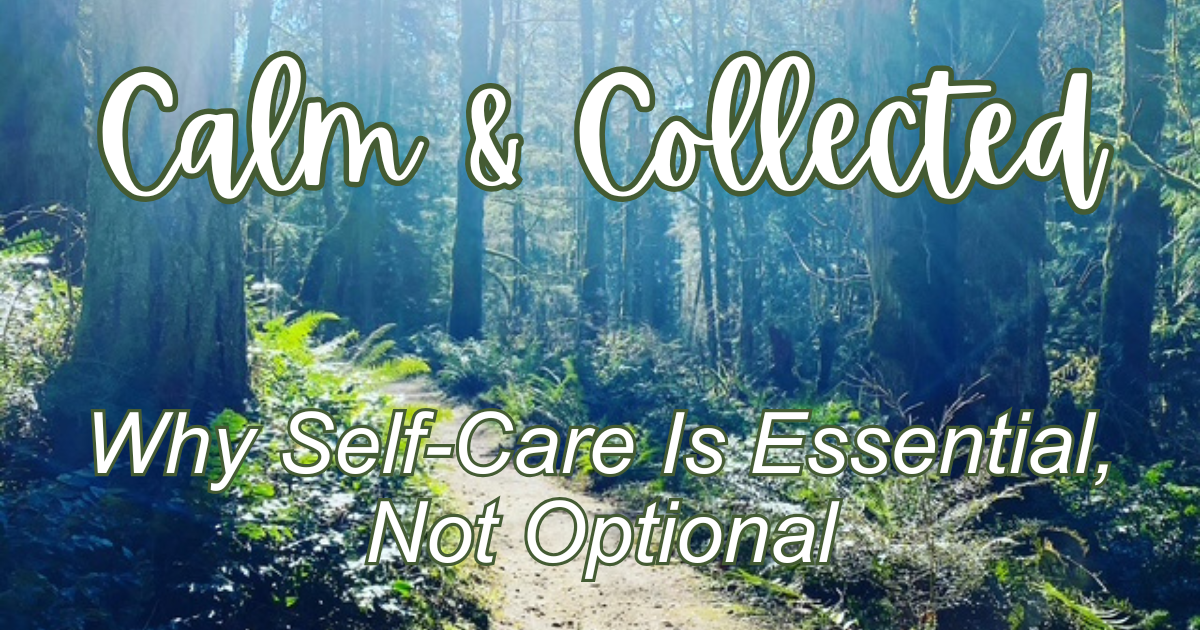
One of my favorite ways to reset is walking meditation, grounding in nature. I love wandering our trail system, listening to the birds and admiring the filtered sunlight through the trees. In that space, I feel peace, presence and renewal. It reminds me that even in busy seasons, stillness is available.
For you, it might be running, cooking, journaling or playing music. For someone else, it could be gardening, hiking or simply sitting quietly. The point isn’t how it looks, but whether it leaves you feeling lighter, more alive or more at peace.
The Bigger Picture
Quick resets are valuable, but lasting resilience comes from steady habits that work with your body:
- Consistent rest
- Nourishing food
- Regular movement
- Clear boundaries around technology and commitments
Self-care isn’t pampering. It’s an act of courage—a choice to stop overriding your body’s signals and start honoring them. When you do, you step out of survival mode and into resilience, showing up with steadiness and strength not just for others, but for yourself.
Shanti Willett is an integrative holistic master esthetician.