
With winter just around the corner, it is vital to safeguard your home’s plumbing from temperature changes and fluctuations. Winterizing your plumbing helps to save you stress and money in the long run when you don’t have to worry about burst pipes, water heater disruptions, etc.
At Noble Plumbing, we help homeowners and businesses ensure their plumbing runs smoothly all winter. Below, you will find six essential tips to help you prepare for this upcoming season.
1. Know where your home water shutoff valve is located and label it.
In a plumbing emergency like a leak or burst pipe, you want to ensure you can shut off you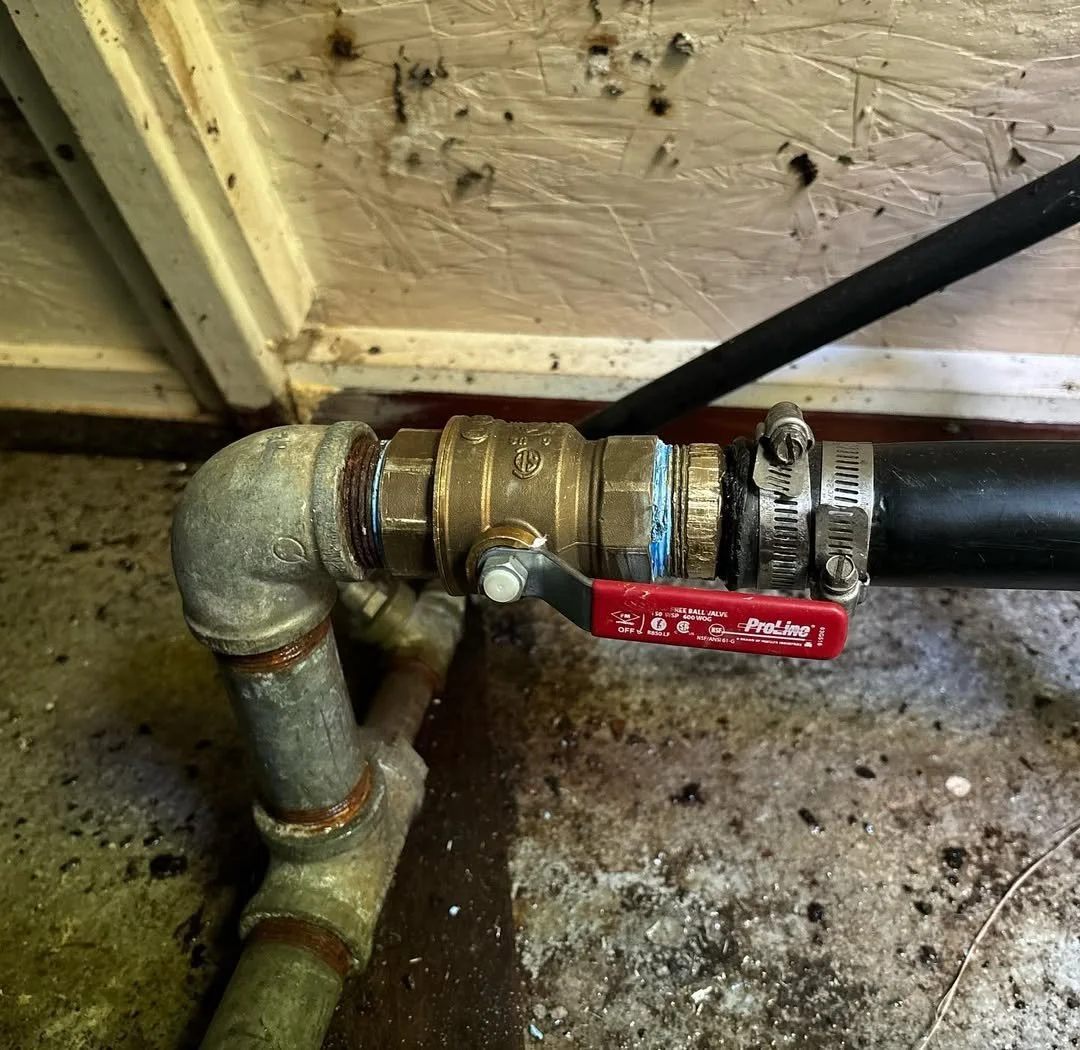 r water as soon as possible. Prepare by showing your family members where the water shutoff valve is located and how to turn it off. Water shutoff valves are often located near your water meter.
For added security, we recommended purchasing a water meter key for $15 in the event of an emergency and your main valve doesn’t shut off. The key will allow you to shut off the water coming from the street level.
2. Install a whole-home automatic shutoff valve.
Installing a whole-home automatic shutoff valve is essential. It detects leaks and shuts off the water supply before your home floods, helping to prevent catastrophic damage.
Installation costs can vary by home size and location, but many home insurers offer a rebate or discount if you have this installed. You’ll want to ask your home insurer directly about this to make sure you’re getting any available discounts. Automatic shutoff valve models like the Flo By Moen Smart Water Shutoff Valve are a great option.
3. Inspect your water heater.
Is your water heater over 10 years old? If the answer is yes, you may want to start planning for a replacement soon. Water heaters often last between 10 and 15 years, and we highly recommend replacing them if they are over 15 years old.
If you have a tankless water heater, you should be servicing it every one to two years to extend its lifespan.
Water heater emergencies aren’t just inconvenient—they’re expensive. No one wants a freezing shower in winter, which is why regular maintenance is essential to keep your water heater running reliably.
4. Insulate & protect outdoor hose bibbs.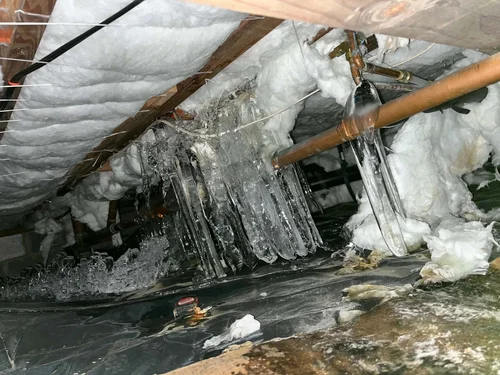
We’ve received over 200 calls for broken hose bibbs this past year. Hose bibbs are vulnerable to temperature changes and freezing winters. Take these steps to make sure your bibbs are in good shape:
-
Disconnect any hoses from hose bibbs around your property and find somewhere to store them for the winter.
-
Place insulated covers over your hose bibbs. These can easily be purchased online or in various stores.
-
If you can locate the shutoff valve for your hose bibb line, turn it off and drain it for winter. The valve is usually located next to the water heater in the garage.
5. Locate any pipes that could be exposed to the cold.
As the seasons change, it is a good idea to take a deeper look at your plumbing system, specifically in uninsulated spaces like your garage or crawl space. If exposed to the cold, pipes are more likely to burst in deep freezes. Here’s how to protect your pipes from the lower temperatures:
-
Make sure your pipes are insulated. You can do this by wrapping exposed pipes in heat tape or other insulation options. Heat tape, specifically, is affordable and easy to install. You can purchase it at Home Depot or at your local hardware store.
-
Have a couple of space heaters on hand to warm these spaces in extreme cold, such as a deep freeze.
If you take these precautions, you can avoid the cost and inconvenience of replacing burst pipes.
“From Drips to Drainage” is a blog series sponsored by Noble Plumbing.